
Essential Lawn Care Tips for a Beautiful Yard
- benedictionhousing
- Sep 27, 2025
- 4 min read
A lush, green lawn can transform your yard into a beautiful oasis. It invites you to relax, play, and enjoy the outdoors. However, achieving that perfect lawn requires some effort and knowledge. Whether you are a seasoned gardener or a beginner, these essential lawn care tips will help you create and maintain a stunning yard.
Understanding Your Lawn
Before diving into lawn care, it is important to understand what type of grass you have. Different grass types have unique needs. For example, cool-season grasses thrive in northern climates, while warm-season grasses are better suited for southern areas.
Identifying your grass type will help you determine the best care practices. You can find this information through local gardening centers or online resources.
Mowing Techniques
Mowing is one of the most important aspects of lawn care. It not only keeps your lawn looking neat but also promotes healthy growth. Here are some key mowing tips:
Mow at the Right Height: Different grass types have different ideal mowing heights. Generally, keeping your grass between 2.5 to 4 inches is best. Taller grass shades the soil, which helps retain moisture.
Keep Blades Sharp: Dull mower blades can tear grass rather than cut it. This can lead to brown tips and make your lawn more susceptible to disease. Sharpen your blades regularly for a clean cut.
Mow When Dry: Wet grass can clump and create uneven cuts. Mow your lawn when it is dry to achieve a clean, even look.
Watering Wisely
Watering is crucial for a healthy lawn, but it is important to do it correctly. Here are some tips for effective watering:
Water Deeply and Infrequently: Instead of light daily watering, aim for deep watering once or twice a week. This encourages deep root growth and makes your lawn more drought-resistant.
Early Morning is Best: Watering in the early morning reduces evaporation and allows grass to dry before evening, which helps prevent disease.
Check Soil Moisture: Use a soil moisture meter or simply stick your finger into the soil. If it feels dry an inch down, it’s time to water.
Fertilizing for Growth
Fertilizing your lawn provides essential nutrients that promote growth and health. Here are some guidelines for effective fertilization:
Choose the Right Fertilizer: Look for a balanced fertilizer with nitrogen, phosphorus, and potassium. The numbers on the bag indicate the ratio of these nutrients.
Follow a Schedule: Fertilize your lawn in the spring and fall for optimal growth. Spring fertilization helps with green-up, while fall fertilization prepares your lawn for winter.
Avoid Over-Fertilizing: Too much fertilizer can harm your lawn and the environment. Follow the recommended application rates on the fertilizer package.
Aeration for Health
Aeration is the process of perforating the soil with holes to allow air, water, and nutrients to penetrate the grass roots. This is especially important for lawns that experience heavy foot traffic. Here’s how to aerate effectively:
When to Aerate: The best time to aerate is during the growing season. For cool-season grasses, this is in the fall. For warm-season grasses, aerate in the spring or early summer.
Use the Right Tools: You can rent a core aerator from a local garden center. This tool removes small plugs of soil, allowing for better air and nutrient flow.
Follow Up with Overseeding: After aerating, consider overseeding your lawn. This helps fill in bare spots and improves overall density.
Dealing with Weeds
Weeds can be a major nuisance in any lawn. They compete with your grass for nutrients and water. Here are some strategies to keep weeds at bay:
Identify Common Weeds: Knowing what types of weeds are in your lawn can help you choose the right control methods. Common weeds include dandelions, clover, and crabgrass.
Use Pre-Emergent Herbicides: Applying a pre-emergent herbicide in early spring can prevent weed seeds from germinating.
Hand Pulling: For small infestations, hand pulling can be effective. Make sure to remove the entire root to prevent regrowth.
Pest Control
Pests can wreak havoc on your lawn. Here are some tips for managing them:
Identify Pests Early: Regularly inspect your lawn for signs of pests, such as brown patches or visible insects. Early detection is key to effective control.
Use Natural Remedies: Consider using natural pest control methods, such as introducing beneficial insects like ladybugs or using neem oil.
Chemical Treatments: If the infestation is severe, you may need to use chemical treatments. Always follow the instructions carefully and consider the impact on beneficial insects.
Seasonal Lawn Care
Each season brings unique challenges and opportunities for lawn care. Here’s a quick guide to seasonal tasks:
Spring: Focus on cleaning up debris, aerating, and fertilizing. This is also a great time to overseed.
Summer: Water regularly and mow at a higher setting to protect against heat stress. Watch for pests and diseases.
Fall: This is the best time for fertilization and aeration. Rake leaves to prevent them from smothering your grass.
Winter: Prepare your lawn for dormancy. Avoid heavy foot traffic on frozen grass to prevent damage.
The Importance of Soil Health
Healthy soil is the foundation of a beautiful lawn. Here are some tips to improve soil health:
Test Your Soil: A soil test can reveal pH levels and nutrient deficiencies. This information helps you make informed decisions about fertilization and amendments.
Add Organic Matter: Incorporating compost or well-rotted manure can improve soil structure and nutrient content.
Practice Crop Rotation: If you have garden beds, rotating crops can help maintain soil health and reduce pest problems.
Embracing Sustainable Practices
Sustainable lawn care practices not only benefit your yard but also the environment. Here are some eco-friendly tips:
Use Native Plants: Incorporating native plants into your landscape can reduce water usage and attract beneficial wildlife.
Limit Chemical Use: Opt for organic fertilizers and pest control methods whenever possible.
Collect Rainwater: Installing a rain barrel can help you collect water for irrigation, reducing your reliance on municipal water sources.
Final Thoughts
Creating a beautiful lawn takes time and effort, but the rewards are worth it. By following these essential lawn care tips, you can enjoy a lush, green yard that enhances your outdoor space. Remember, every lawn is unique, so be patient and adjust your care practices as needed. With dedication and the right knowledge, your dream lawn is within reach.
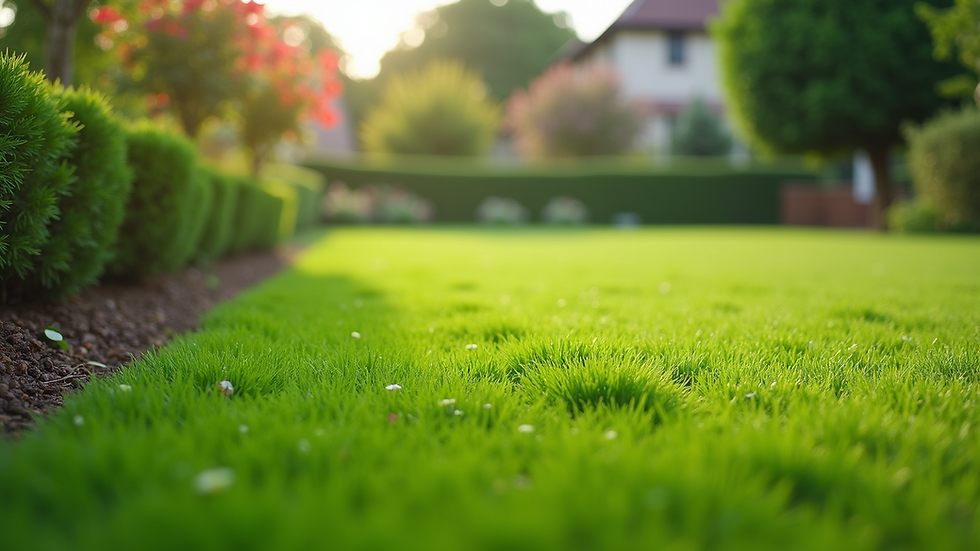
Your lawn is a reflection of your care and attention. Embrace these tips, and watch your yard flourish into a beautiful retreat. Happy gardening!


Comments